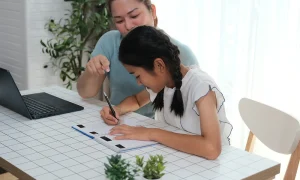




Board games are more than just fun-they’re powerful learning tools. For school projects, creating or using board games allows students to combine creativity, problem-solving, teamwork, and subject knowledge in an engaging, hands-on way.
Whether the goal is to demonstrate understanding of a topic or to design something original, custom board games make learning interactive and memorable.
Below are creative board game ideas suitable for different subjects, grade levels, and learning objectives.
1. Math Adventure Board Game
Best for: Mathematics
Skills developed: Problem-solving, logic, calculation
In this game, players must solve math problems to move forward, unlock shortcuts, or collect points. Problems can include addition, fractions, algebra, or word problems depending on the class level.
Project twist:
- Different paths for different difficulty levels
- Time challenges or puzzle cards
- Real-life math scenarios like shopping or budgeting
This type of board game helps students practice math without the pressure of tests.
2. Quiz & Trivia Card Game
Best for: History, Science, Geography, Language Arts
Skills developed: Memory, recall, critical thinking
A trivia card game is one of the easiest and most effective school project ideas. Players move around the board by answering subject-related questions. You can adjust the difficulty level based on grade level.
Project twist:
- Use multiple question categories (easy, medium, challenge).
- Add “bonus” or “penalty” spaces for extra engagement.
- Include images or diagrams for visual learning.
Example topics: World capitals, science facts, grammar rules, or historical events.
3. History Timeline Board Game
Best for: History, Social Studies
Skills developed: Sequencing, comprehension, cause-and-effect thinking
Players travel through historical periods by answering questions or completing challenges related to key events. The board itself can be designed as a timeline.
Project twist:
- Use event cards that explain “what happened next”
- Include role-play elements (leader, explorer, inventor)
- Add “historical decision” cards that change the game path
This idea is especially effective for demonstrating understanding of historical connections.
4. Science Lab Challenge Game
Best for: Science
Skills developed: Scientific reasoning, teamwork, application of concepts
Players act as scientists completing experiments, answering science questions, or solving real-world problems like environmental issues or space exploration.
Project twist:
- Include experiment cards with simple explanations
- Use “lab equipment” tokens to collect
- Add cooperative gameplay where students must work together
This game format encourages collaboration while reinforcing scientific concepts.
5. Language & Vocabulary Builder Game
Best for: English, ESL, Foreign Languages
Skills developed: Vocabulary, spelling, communication
Players earn points by defining words, using them in sentences, spelling correctly, or translating between languages.
Project twist:
- Picture-based cards for younger students
- Story-building rounds where players create sentences together
- Special cards for synonyms, antonyms, or idioms
This board game is ideal for improving language confidence in a relaxed environment.
6. Environmental Awareness Board Game
Best for: Environmental Studies, Geography
Skills developed: Critical thinking, responsibility, decision-making
Players navigate real-world environmental challenges such as recycling, energy use, climate change, or conservation. Good choices help players advance, while poor choices cause setbacks.
Project twist:
- Real facts on event cards
- Cooperative goals instead of individual winners
- Discussion prompts after each round
This type of game is great for project presentations focused on real-life impact.
7. Life Skills & Career Path Game
Best for: Social Studies, Life Skills
Skills developed: Planning, decision-making, financial literacy
Players move through life stages-school, college, career, budgeting, and goal-setting. Each decision affects progress.
Project twist:
- Include budget management elements
- Career cards with skill requirements
- Random life events to simulate real situations
This game works especially well for middle school and high school projects.
8. Custom Cross-Curriculum Board Game
Best for: Group projects, exhibitions
Skills developed: Creativity, teamwork, interdisciplinary learning
Students combine multiple subjects into one game-math challenges, science questions, history facts, and language tasks all in one.
Project twist:
- Assign each team member a subject area
- Create color-coded cards for different subjects
- Add a final “boss challenge” combining all topics
This is an excellent option for project fairs or collaborative assignments.
Tips for a Successful Board Game School Project
- Keep rules simple: Clear instructions make the game more enjoyable.
- Focus on learning goals: Every game element should support the subject.
- Use visuals: Colors, icons, and images improve engagement.
- Test the game: Play it with classmates and adjust based on feedback.
- Explain your design: Teachers value the thought process behind the game.
Final Thoughts
Board game projects turn traditional learning into an active experience. They allow students to demonstrate knowledge creatively while developing important skills like collaboration, communication, and critical thinking. Whether simple or complex, a well-designed board game can make any school project stand out-and make learning fun at the same time.
- Create printable board game templates
- Design rules for a specific subject
- Write a project presentation or explanation section