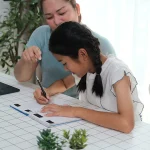




Every parent wants their child to grow into a confident, capable, and happy individual. While love and support at home play a vital role, the environment children experience during their early years can have a profound and lasting impact on their development. Early childhood education is not simply about preparing children for school. It is about helping them develop the confidence, independence, and curiosity they need to thrive in every aspect of life.
Between the ages of two and five, children’s brains develop at an extraordinary rate. During this time, they absorb information rapidly, form emotional connections, and begin to understand the world around them. The experiences they have during these years shape their attitudes toward learning, relationships, and challenges. A positive early years environment can create a strong foundation that supports their growth for years to come.
Encouraging Independence from the Very Beginning
One of the most valuable skills children develop in early education is independence. This does not happen overnight. It is nurtured gradually through small, meaningful opportunities to make choices, solve problems, and complete tasks on their own.
Simple activities such as choosing a toy, tidying up after play, or attempting to dress themselves help children build confidence in their abilities. When children are encouraged to try things independently, they learn that they are capable and competent. This sense of achievement strengthens their self esteem and motivates them to continue learning and exploring.
Supportive educators understand the importance of guiding children without doing everything for them. They provide encouragement and reassurance while allowing children the space to learn through experience. This balance helps children develop resilience and confidence, which are essential skills for both school and life.
Creating a Safe and Supportive Space to Explore
Children learn best when they feel safe and secure. A welcoming and supportive environment allows them to explore freely, ask questions, and express themselves without fear. When children feel valued and understood, they are more likely to engage fully in activities and develop a positive attitude toward learning.
A high quality early years setting focuses on creating an atmosphere where every child feels included. Educators take the time to understand each child’s unique personality, interests, and needs. This personalised approach ensures children feel supported and helps them build trusting relationships with both adults and their peers.
At settings like Kensington Kindergarten, the emphasis is on nurturing the whole child. Their approach combines structured learning with creative exploration, helping children develop academically, socially, and emotionally in a balanced way. By providing a caring and stimulating environment, they help children build the confidence they need to embrace new experiences.
The Power of Play Based Learning
Play is the foundation of early childhood learning. Through play, children explore ideas, experiment with new concepts, and develop essential life skills. Whether they are building with blocks, engaging in imaginative role play, or participating in group activities, children are constantly learning.
Play based learning encourages creativity and problem solving. When children encounter challenges during play, they learn to think critically and find solutions. These experiences strengthen cognitive development and improve decision making skills.
Play also supports language development. Conversations with peers and educators help children expand their vocabulary and learn how to communicate effectively. This improves their ability to express thoughts, share ideas, and build relationships.
Outdoor play is equally important. Spending time outside helps children develop physical strength, coordination, and confidence. It also encourages curiosity and helps children develop an appreciation for the world around them.
Developing Social Skills and Emotional Awareness
Early childhood education plays a crucial role in helping children develop social and emotional skills. These abilities form the foundation of healthy relationships and emotional wellbeing throughout life.
Children learn how to share, cooperate, and interact respectfully with others. They begin to understand emotions, both their own and those of their peers. With guidance, they learn how to manage frustration, resolve conflicts, and express themselves in positive ways.
These experiences help children develop empathy and emotional intelligence. They learn that their actions affect others and that they are part of a wider community. This sense of belonging strengthens their confidence and social development.
Preparing Children for a Smooth Transition to School
Children who attend a supportive early years setting are often better prepared for the transition to primary school. They are familiar with routines, comfortable interacting with others, and confident in their ability to learn.
This preparation goes beyond academics. Children develop the emotional resilience and independence needed to adapt to new environments and challenges. They learn how to listen, follow instructions, and engage in structured activities, which makes the transition to school smoother and less stressful.
Most importantly, children who have positive early learning experiences develop a love of learning. They approach new opportunities with curiosity and enthusiasm rather than fear or uncertainty.
Investing in a Strong Foundation for the Future
Early childhood education shapes far more than academic ability. It shapes how children see themselves, how they interact with others, and how they approach the world. A nurturing, supportive, and engaging environment helps children develop confidence, independence, and a lifelong passion for learning.
By choosing the right early years setting, parents are giving their children one of the greatest advantages possible. These early experiences build the foundation for future success, wellbeing, and happiness.