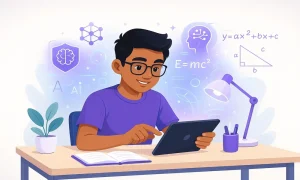




In recent years, distance education has grown from a niche alternative to a mainstream option for learners of all ages. Busy schedules, work commitments, family responsibilities, and geographic limitations mean that many students cannot attend traditional classrooms. Distance education offers a flexible way to gain knowledge, earn qualifications, and advance careers without being tied to a physical location.
But with so many different types of distance education available, how do you know which one is right for you?
Why Distance Education Is Growing
The demand for online and distance learning has skyrocketed due to several factors:
Flexibility: Students can study at their own pace and schedule, balancing learning with work or family life.
Accessibility: Geographic barriers are removed, giving students access to institutions and programs they might not otherwise reach.
Technological Advancements: Online platforms, interactive tools, and digital resources make remote learning more effective than ever.
Cost Efficiency: Distance learning can often be less expensive than traditional education, especially when considering commuting or relocation costs.
Types of Distance Education
Understanding the different formats is crucial for choosing a program that fits your needs. A helpful resource on different types of distance education breaks down the options, but here’s a brief overview:
- Fully Online Programs
Courses are delivered entirely online, with materials, lectures, and assessments accessible through a learning platform. Ideal for self-motivated learners who thrive on flexibility.
- Hybrid or Blended Learning
Combines online coursework with occasional in-person sessions. This is a good option for students who want some face-to-face interaction but still need flexibility.
- Synchronous Online Learning
Classes occur in real-time using video conferencing, allowing for live interaction with instructors and classmates. This mirrors a traditional classroom but without commuting.
- Asynchronous Online Learning
Students access materials and complete assignments at their own pace, without fixed class times. This is perfect for learners with irregular schedules.
- Correspondence Courses
Traditional paper-based or digital courses sent by mail or email. Less common today but still useful in areas with limited internet access.
- Massive Open Online Courses (MOOCs)
Open-access courses offered by universities worldwide, often free or low-cost. While not always providing formal qualifications, MOOCs are great for skill-building and exploration.
- Microlearning and Short Courses
Focused modules on specific skills or topics, often completed in a few hours or weeks. Useful for professional development and upskilling.
Choosing the Right Distance Education Option
Selecting the right program involves evaluating your personal goals, learning style, and commitments:
- Career Goals: Some careers require formal degrees, while others benefit from short courses or certifications.
- Learning Style: Do you thrive on interaction or prefer studying independently?
- Time Commitment: How much time can you realistically dedicate to learning each week?
- Technology Access: Ensure you have the necessary devices and reliable internet connection.
- Accreditation: Verify that the institution or platform provides recognized qualifications.
Advantages of Distance Education
Distance education offers more than just flexibility:
- Customizable Learning Paths: Choose courses that align with your interests and career objectives.
- Global Networking Opportunities: Connect with peers and instructors worldwide.
- Skill Development: Develop digital literacy, self-discipline, and time management skills alongside your academic knowledge.
Potential Challenges
While distance education has many benefits, it’s not without challenges:
- Self-Motivation Required: Without a physical classroom, staying on track can be difficult.
- Limited Face-to-Face Interaction: Networking and hands-on experiences may be reduced.
- Assessment Differences: Some courses may rely heavily on online exams or projects, which may not suit all learners.
Making the Most of Distance Learning
To succeed in distance education:
- Set a Study Schedule: Create routines to stay disciplined and consistent.
- Engage with Online Communities: Join discussion boards, social media groups, or virtual study sessions.
- Seek Support When Needed: Reach out to instructors or peers for guidance.
- Plan for Exams and Deadlines: Use digital calendars and reminders to stay organized.
- Choose the Right Program: Use a guide to compare different types of distance education
to find the best fit.
Final Thoughts
Distance education offers incredible flexibility and accessibility, making higher education and professional development possible for many who would otherwise struggle with traditional classrooms. By understanding the different types and carefully considering your needs and goals, you can select the program that maximizes your learning and career potential.
With careful planning and dedication, distance education can be just as rewarding — and in some cases even more convenient — than attending a physical campus.