



Quick Answer
A manual handling course for employees teaches staff how to lift, carry, and move loads safely to prevent injury. In Ireland, HSA guidelines recommend refresher training every 3 years. Courses typically run 3 hours for theory-based sessions, cost between €30-€80 per person, and can be delivered on-site for bulk training of entire teams.
Why Manual Handling Training Matters for Irish Employers
In our experience working with offices around the Harcourt Street area of Dublin 2, manual handling injuries are one of the most common-and most preventable-causes of staff absence. A sore back from lifting a delivery box wrong, or a strained shoulder from moving office furniture, can take an employee out for weeks.
Under the Safety, Health and Welfare at Work Act 2005, employers have a legal duty to provide manual handling training where staff are required to lift, push, pull, or carry loads as part of their job. This applies just as much to a small retail unit on Camden Street as it does to a large corporate office near St Stephen’s Green.
When we analyze workplace injury claims, a large portion trace back to one thing: staff never received proper training, or their certificate had expired without anyone noticing.
What a Manual Handling Course for Employees Actually Covers
A good manual handling training for staff programme isn’t just a box-ticking exercise. We’ve found that the most effective courses combine short theory sessions with hands-on practice.
Core Topics Covered
- Anatomy basics – understanding the spine, muscles, and how injuries happen
- Risk assessment – spotting hazards before lifting (TILE method: Task, Individual, Load, Environment)
- Safe lifting techniques – correct posture, grip, and movement
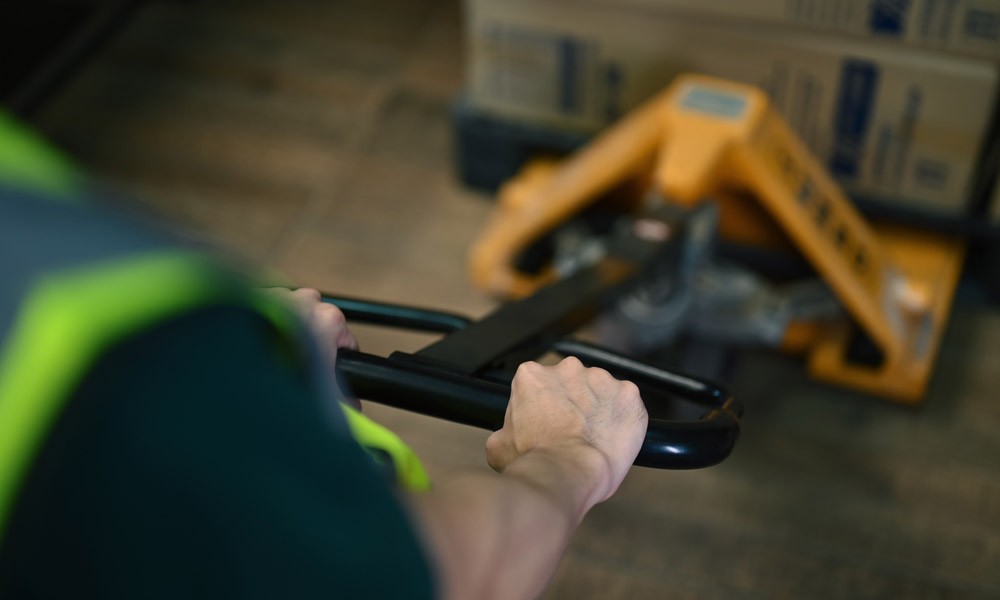
- Pushing and pulling loads – trolleys, pallet trucks, office equipment
- Team lifting – coordinating with colleagues for heavy or awkward items
- Workplace-specific scenarios – tailored to your office, warehouse, or retail floor
Step-by-Step: How the Training Process Works
- Initial consultation – the trainer discusses your workplace tasks and equipment
- Theory session – covers legislation, body mechanics, and risk factors (usually 1.5-2 hours)
- Practical demonstration – trainer shows correct techniques using real or simulated loads
- Hands-on practice – each employee performs lifts under supervision
- Assessment – trainer checks technique and understanding
- Certification issued – valid typically for 3 years
- Records logged – for your company’s safety file and HSA compliance audits
Manual Handling Bulk Training: A Smarter Option for Teams
If you’re managing 10, 20, or 50+ staff, booking individuals into separate courses gets expensive and disruptive. This is where manual handling bulk training makes sense.
In our experience, businesses around Dublin 2-particularly in shared office buildings near Harcourt Street where multiple companies operate-often coordinate bulk sessions together to split costs and reduce downtime.
Benefits of Bulk Training
- Lower cost per head compared to individual bookings
- On-site delivery – trainer comes to your office or warehouse
- Consistent standards – everyone trained the same way, same day
- Less disruption – one session instead of staggered absences
- Easier compliance tracking – all certificates issued on the same date
Comparing Training Options
| Training Type | Best For | Typical Duration | Approx. Cost (per person) | Certificate Validity |
|---|---|---|---|---|
| Individual Course | 1-5 employees | 3 hours | €60-€80 | 3 years |
| Group/Team Course | 6-15 employees | 3 hours | €40-€60 | 3 years |
| Bulk Training (On-site) | 15+ employees | 3 hours per group | €30-€50 | 3 years |
| Online + Practical Combo | Remote/hybrid teams | 1 hr online + 2 hr practical | €35-€55 | 3 years |
A Counter-Intuitive Tip Most Businesses Miss
Here’s something we’ve noticed that rarely gets mentioned: the biggest risk isn’t heavy lifting-it’s repetitive light lifting. Office staff lifting a 3kg box of paper 40 times a day are often at higher injury risk than a warehouse worker lifting 20kg once.
When we run sessions for office-based clients near Harcourt Street, we spend extra time on repetitive strain scenarios-filing, moving printer paper, rearranging desks-because these everyday tasks are usually overlooked in generic training materials.
Choosing the Right Manual Handling Training Provider in Dublin
Not all courses are equal. Look for:
- QQI-certified or HSA-recognised trainers – ensures your certificate holds up in an inspection
- Tailored content – generic videos don’t address your specific tasks or equipment
- On-site flexibility – especially important for bulk training across multiple departments
- Refresher reminders – a provider who tracks your 3-year expiry dates saves admin headaches
Key Takeaways / Expert Verdict
- Every employee who lifts, carries, or moves loads at work legally requires manual handling training
- Refresher training every 3 years is the HSA-recommended standard
- Bulk training is the most cost-effective and least disruptive option for teams of 15+
- Don’t overlook repetitive light lifting-it’s a hidden injury risk in office environments
- On-site, workplace-specific training beats generic online-only courses for real-world safety
FAQs
1. How long does a manual handling course take?
Most courses take around 3 hours, combining theory and hands-on practice.
2. Is manual handling training a legal requirement in Ireland?
Yes. Under Irish health and safety law, employers must provide training to staff whose work involves lifting, carrying, pushing, or pulling loads.
3. How often do staff need to renew their certificate?
The HSA recommends refresher training every 3 years, though high-risk roles may need it sooner.
4. Can training be done on-site for our office?
Yes-bulk training sessions are commonly delivered directly at your workplace, using your actual equipment and layout.
5. What’s the difference between manual handling and people handling training?
Manual handling covers objects, boxes, and equipment. People handling is a separate, specialised course for lifting or moving individuals (common in healthcare settings).